
Professional Carpet Moth Treatment
Carpet moths can cause significant damage to carpets and other textiles. The most common signs of an infestation include visible holes or threadbare patches in carpets, presence of larvae which are creamy-white caterpillars with a darker head, and adult moths around the home. It's important to identify and address these signs early to prevent further damage. Effective methods for dealing with carpet moths include thorough cleaning and the use of specific treatments designed to eliminate these pests.
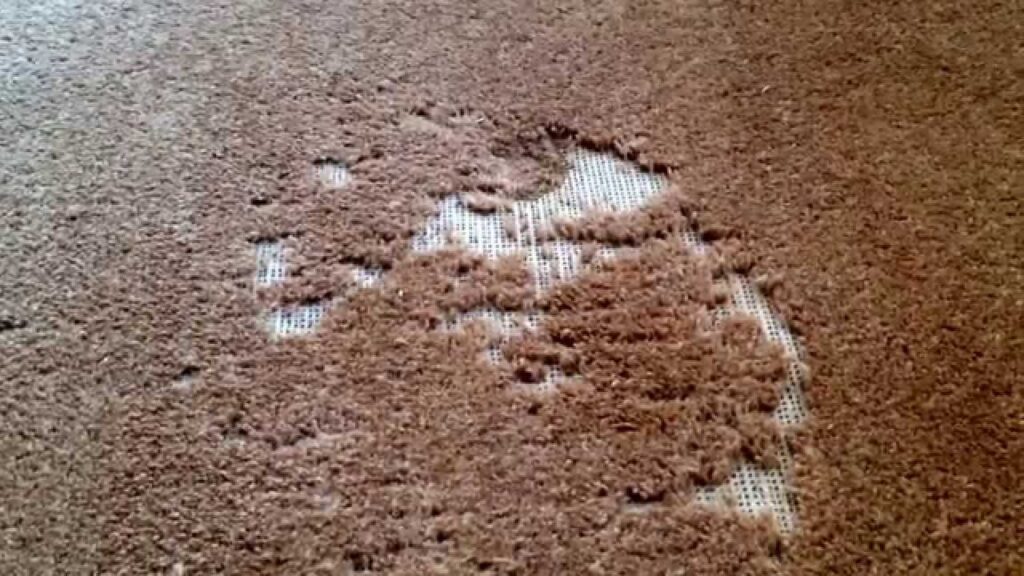

Moth infestations can be a significant nuisance, causing damage to clothes, carpets, and other materials.
The common clothes moth and the case-bearing clothes moth are the primary culprits in the UK, often hiding in dark, undisturbed areas like wardrobes and attics.
To prevent or eliminate an infestation, regular vacuuming, using cedar products, and storing clothes in cool, dry, well-ventilated areas are recommended. If these measures fail, professional pest control may be necessary. For immediate action, washing fabrics, cleaning affected furniture, and being vigilant for signs of larvae can help reduce the presence of moths. It's also advised to clean vintage purchases and keep rooms dry and well-ventilated to deter moths. While moths do not pose a disease risk, they can exacerbate allergies and cause damage to valuable items, making it important to address infestations promptly.
Carpet Moth Treatment
QuikDry are licensed to use insecticides for effective control of moths. We are very competitive on price and work out much cheaper than pest controllers.
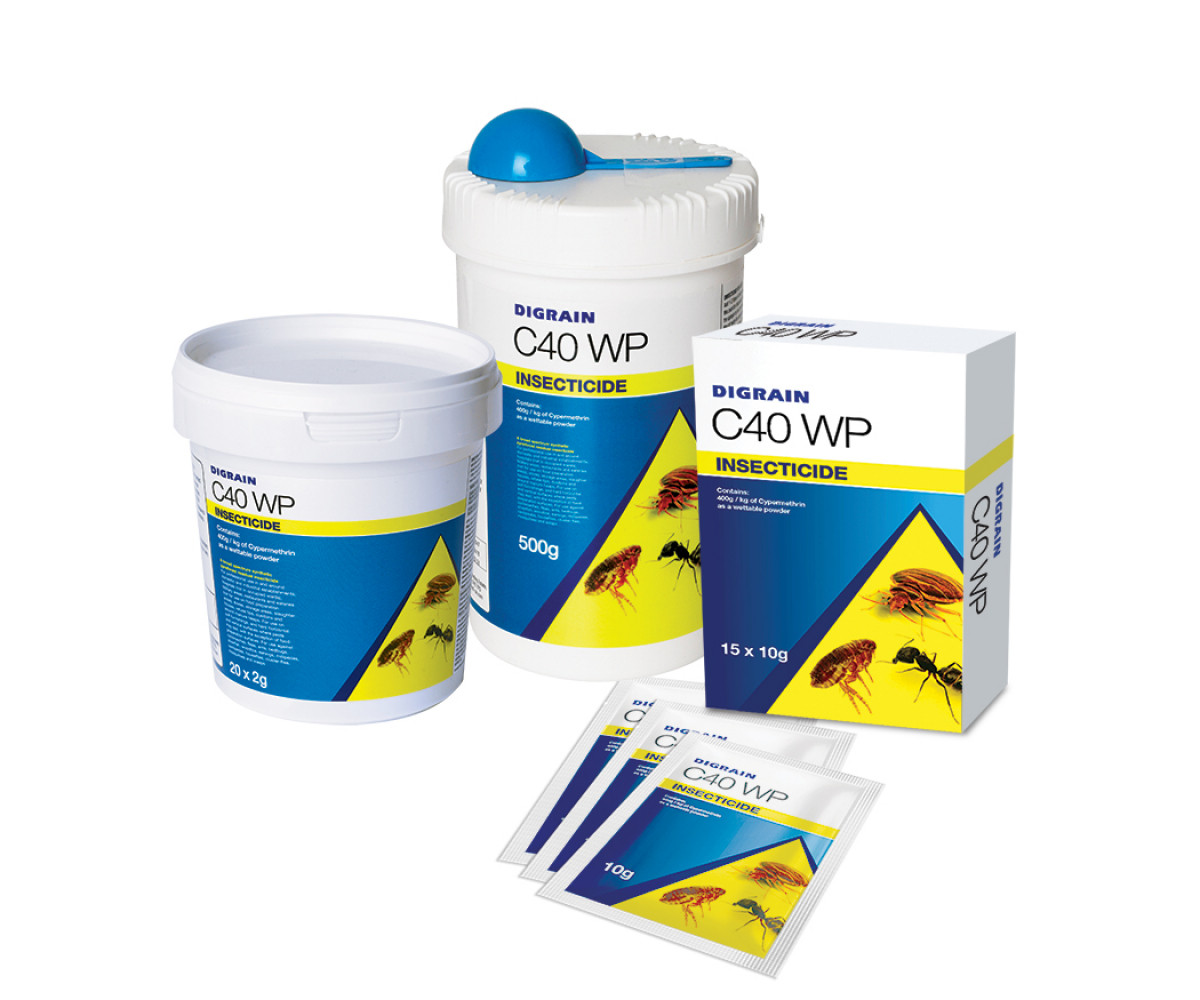
We have had very good results using Digrain C40 WP. Unlike pest controllers we can clean the carpets (if requested) prior to application. QuikDry offer guaranteed Carpet Moth Treatment
Moth Activity in Winter Months
Clothes moths, particularly the common clothes moth (Tineola bisselliella) and the case-bearing clothes moth (Tinea pellionella), are known to be less active during winter due to the cooler temperatures. However, they can still be present indoors where the environment is warmer and suitable for their survival. The larvae of these moths, which are responsible for damaging natural fibers such as wool, fur, and feathers, can continue to feed and grow in protected indoor environments. It's important to note that while adult moths may not be as visible during winter, they can lay eggs that hatch and continue the cycle of infestation. Therefore, preventive measures such as deep freezing infested items, using pheromone traps, and maintaining cleanliness can help control moth populations year-round. For more detailed information on managing clothes moth infestations and prevention, resources such as the English Heritage and the Natural History Museum offer comprehensive guides. Additionally, MothPrevention provides insights into moth activity during the winter months.